




Improving the digital landscape of your brand is necessary for success in current market. Most of the web traffic on the business site originates from mobile devices.
Optimizing a mobile-friendly website is crucial for retaining customers and maintaining high conversion rates. Making your webpage mobile-friendly with CSS presentation can assist in better visitor engagement and SEO optimization.
Building a mobile-friendly webpage is not just about presenting your webpage on a mobile phone. CSS presentation helps to boost the intuitiveness of your site with users, enhancing consumer engagement rates.
Importance of the “Mobile-First Approach”
Users of your brand in the current market are mostly dependent on mobile browsing. Apart from that, Google also prefers mobile-friendly webpages in case of overall ranking system. In this scenario, developing a mobile-friendly website with CSS assistance will benefit you in building better user engagement and search engine ranking. You will enable your website to avoid bounce rates and retain customers.
Mobile-friendly Website with CSS Enhances Your Site’s Responsiveness
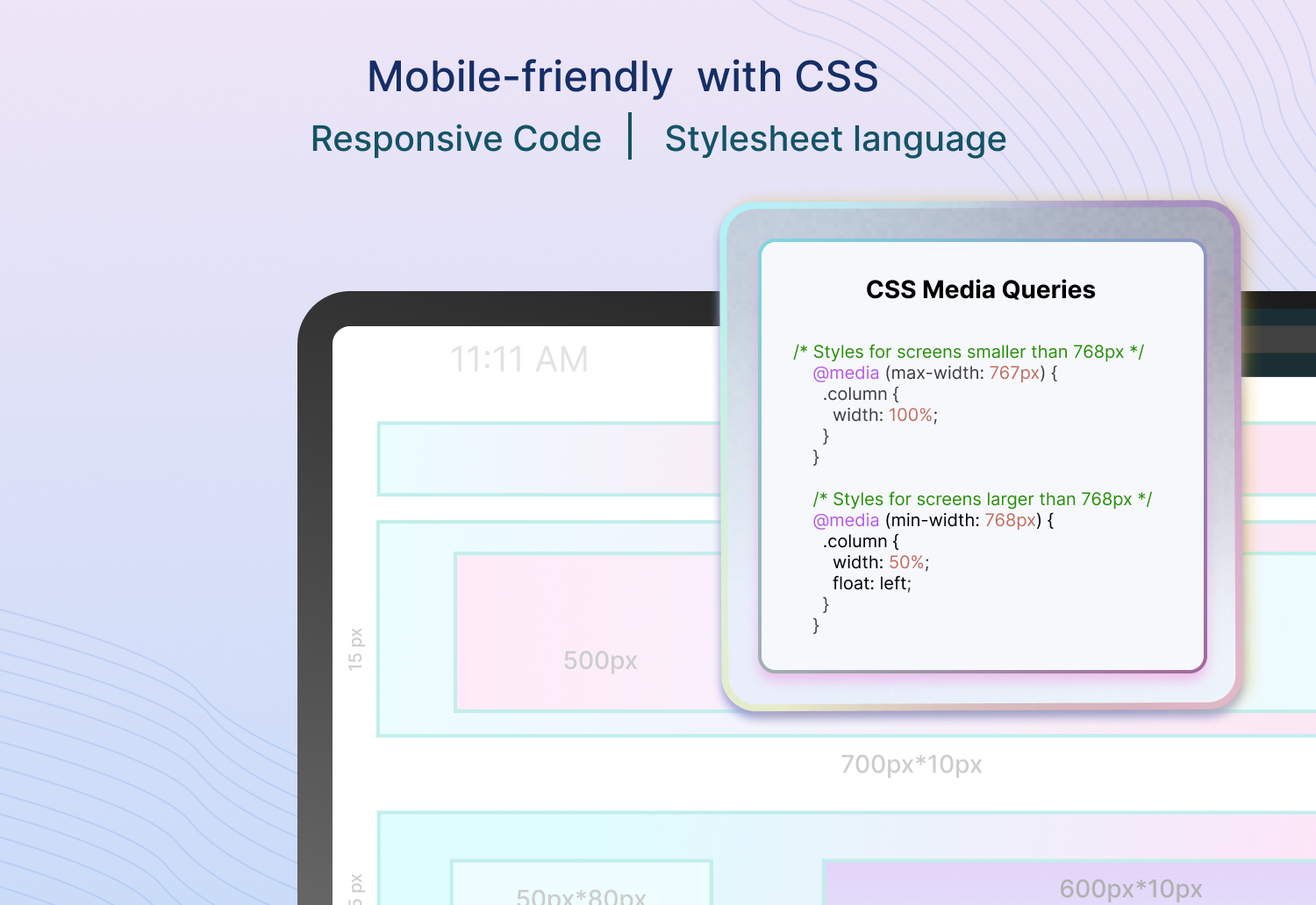
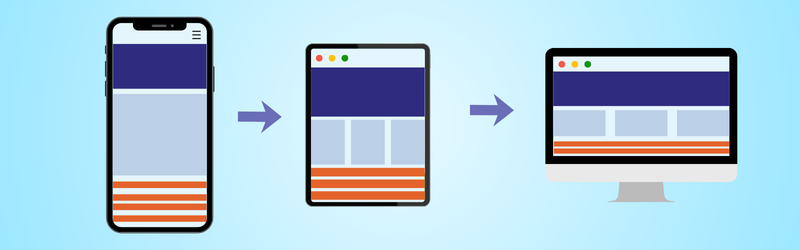
Your webpage becomes responsive to your clientele with CSS designs. Thoughtful CSS planning of your webpage makes the site adaptable to various screen sizes and resolutions. Making a mobile-friendly website with CSS allows you to maintain a single site with all product and service details instead of making two different sites for desktop and mobile. Amalgamation of your brand’s tone with the CSS strategy can assist you in forming a responsive layout.
Techniques for Developing a Mobile-friendly Website with CSS
① Efficient Page Layout with Modern CSS
Use of intuitive tools like CSS Grid and Flexbox makes your site’s layout intuitive. Flexbox is mostly useful for making a one-dimensional layout for mobile screens. It makes the navigation bar horizontal on your desktop and vertical on a mobile screen.
The CSS Grid, on the other hand, provides you with a two-dimensional layout of your site on the mobile screen. It makes your site one step closer to being a mobile-friendly website with CSS.
② Viewporting Meta Tags
Viewporting meta tags in the <head> section of your HTML is the initial work of making a mobile-friendly website with CSS. Making a match between the screen width and the width of your screen requires a single line of code. The zooming needs to be set in level 1 configuration. Such a configuration helps your browser to prevent making only a shrunk version of your site.
📌 Meta Tag in <head> Section
📌 Mobile site zooming to level 1 configuration
Power of Relative Units in a Mobile-friendly Website with CSS
Competitive market nowadays demands your mobile website design to be modular.
👉 “em” unit helps to adjust font size on your mobile version
👉 “rem” unit refers to the root element font size
Instead of using only static pixel values (px) for font size and spacing, the application of relative tools like “em” and “rem” makes your site far modular.
Making Media and Images Flexible
You can solve the burden of large images and videos on your webpage that makes your site non-responsive by CSS design adjustments. CSS planning helps in making container width adjustments for images and videos on your site. Such steps help your mobile-friendly website with CSS to prevent distortions.
Design and User Experience Beyond Coding
Better brand knowledge and a “mobile-first” mindset become necessary for crafting a mobile-friendly website with CSS. Custom CSS assistance with a “mobile-first” approach can help you craft your custom website for mobile screens. This approach helps you to avoid building a desktop-based site and then synchronizing it according to mobile screen requirements.
Touch-Friendly UI and Navigation
You need to introduce a touch-friendly UI and simple navigation to your mobile-friendly website with CSS. This user-friendly appeal will help your website will help in gaining customers’ attention, and bounce rates of your site will be lower. Applying well-thought-out CSS will help make the system more effective by introducing attractive buttons with links for customers. It also helps improve overall navigation on your mobile website. This promises a higher chance of transactions on your website.
The design of your mobile website should meet the tapping target of Google. CSS designs help in putting icons discreetly on the mobile site; apart from that, introducing a “hamburger menu” will help your site to be better synchronized, agile, and responsive.
Performance Optimization
Minifications of the CSS file can help to adjust the slow loading time of your mobile website. This step assists you in retaining users who are entering your website with a weak network on their mobiles. Better CSS optimization also helps with the quick presentation of all products and services in front of the users.
Introducing an attractive visibility with quality UI/UX designs through CSS influences a user to conduct deep research on your mobile-friendly website. Such steps in designing your brand’s mobile-friendly website with CSS provide you with a better chance of a transaction.
Rigorous Testing
Testing of your mobile-friendly website with CSS is crucial on various screen sizes before releasing. Your testing process must involve the evaluation of the site’s performance on various operating systems, like IOS and Android. Simulation testing process with browser developer tools to address various viewports is important. Using “Google Mobile-friendly Test” can help you get effective feedback about the performance of your mobile-friendly website with CSS.
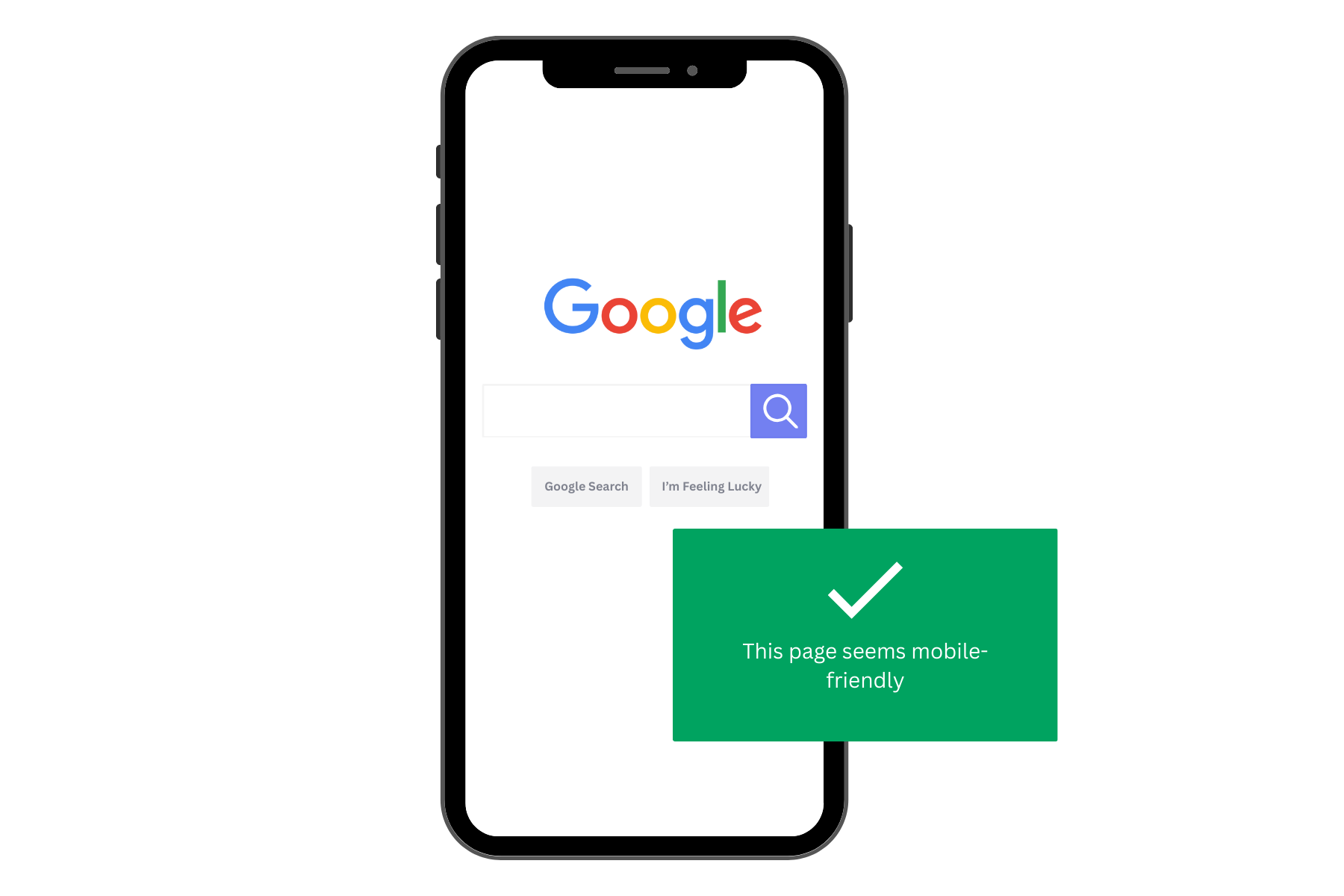
CSS planning makes your website visually appealing and also helps in achieving a faster search engine ranking. Sustaining customers’ loyalty in the current competitive market and avoiding bounce rates becomes possible with such an approach.
Building your mobile-friendly website is crucial to achieving brand success. Making the brand site mobile-friendly saves users’ time and provides them with a seamless, enjoyable experience.